Leadership isn’t for the faint of heart. It’s difficult by design. At its core, leadership is about making decisions—many of them difficult, and some of them unpopular. A leader must often choose a path that not everyone agrees with, weighing what’s best for the organization against how it might impact individuals. And that’s part of the job: to make the tough calls even when others might not fully understand or support them.
But here’s where great leaders distinguish themselves. While decisions must be made, and action must be taken, how those decisions are made—and how people are treated along the way—defines the legacy of a leader. This is where empathy comes in, not as a soft skill, but as a strategic advantage.
The Case for Empathy in Leadership
Empathy is the ability to see the world through someone else’s eyes. In leadership, it means taking the time to understand what your people are experiencing—even when you can’t change the outcome. It doesn’t mean avoiding hard decisions. It means making them with humanity.
Empathy builds trust, and trust builds alignment. And alignment is what allows an organization to move forward, even when times are uncertain.
When I think about leaders I admire, either through reading about them, and in many cases having had the privilege of working for many great leaders I’ve observed the following commonalities:
- Average leaders make decisions and get results.
- Great leaders do the same—but in a way that brings people along with them.
An average leader explains the “what.” A great leader also explains the “why.”
An average leader gets compliance. A great leader inspires commitment.
An average leader operates with authority. A great leader operates with authenticity.
Few would argue the impact of Abraham Lincoln’s leadership during the Civil War. He made some of the most difficult, divisive decisions in American history. But he led with deep empathy—even toward those who opposed him. Lincoln’s famous quote, “Do I not destroy my enemies when I make them my friends?” reflects his belief in finding common ground in the face of division. That demonstrates incredible empathy capabilities which in turn became the mark of his greatness.
The Leader’s Critical Obligations
Whether you lead a handful of people or thousands, leadership brings obligations—not just to your business, but to your people. Each day I do my best to:
- See People, Not Just Roles
Behind every title is a human being with dreams, fears, and stories. A leader’s job is to understand what makes people tick, and to help them thrive—not just produce. - Create Psychological Safety
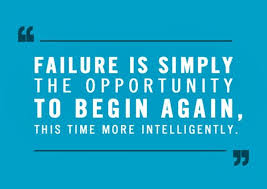
Innovation, honesty, and growth all begin with safety. People must feel safe to speak up, take risks, and be vulnerable without fear of blame or retribution. When teammates act fearlessly and with vulnerability, not afraid to make a mistake, you know you’ve done this well. Fail fast, fail forward. - Champion Common Ground
When opinions differ—and they will—a leader must become the bridge. Finding shared values and uniting people around a common mission is a leader’s superpower.
Empathy Is Not Weakness—It’s Strength
Empathy doesn’t mean avoiding hard truths. It doesn’t mean being a push-over, or weak. It means being able to deliver difficult decisions with care. It doesn’t mean pleasing everyone. It means respecting everyone—especially when decisions don’t go their way.
We’ve all heard it—people might forget what you said, but they’ll remember how you made them feel, especially when things get tough. I’m definitely not perfect at this, but I try to keep it front of mind every time I make a decision. It’s what I strive for every day—even when I don’t get it perfectly right.





 Joseph DeRosa